Get into gardening

Share Get into gardening on Facebook Share Get into gardening on Twitter Share Get into gardening on Linkedin Email Get into gardening link

Welcome to our get into gardening page!

This page is all about the joys of growing your own plants, visiting local parks and simply just connecting with the world around you.

Whether you're an avid gardener or looking to get into gardening, we've got something for everyone!

Below, you’ll find a space to share your gardening tips, photos, and stories - whether it’s your first sprouting seed or a thriving garden jungle. We also invite you to highlight local gardens and parks in your area that others can visit and enjoy. This could be a hidden gem down the street or a well-loved public space, your recommendations can help others discover new places to relax, explore, and connect with nature.

Welcome to our get into gardening page!

This page is all about the joys of growing your own plants, visiting local parks and simply just connecting with the world around you.

Whether you're an avid gardener or looking to get into gardening, we've got something for everyone!

Below, you’ll find a space to share your gardening tips, photos, and stories - whether it’s your first sprouting seed or a thriving garden jungle. We also invite you to highlight local gardens and parks in your area that others can visit and enjoy. This could be a hidden gem down the street or a well-loved public space, your recommendations can help others discover new places to relax, explore, and connect with nature.

Share your gardening tips

How to upload your tip:

  • Give your tips a title in the title bar
  • Add your tips below in the description 
  • Add a supporting image with the rectangle icon across the top with the mountain inside it.
  • Click create!

You need to be signed in to share your story.

All fields marked with an asterisk (*) are required.

  • Share Top tips to get your garden blooming this spring! on Facebook Share Top tips to get your garden blooming this spring! on Twitter Share Top tips to get your garden blooming this spring! on Linkedin Email Top tips to get your garden blooming this spring! link

    Top tips to get your garden blooming this spring!

    about 1 month ago

    Our Lettings Supervisor, Keely Watson, is back with some more gardening tips!

    • Prune roses to encourage strong new growth.
    • Divide perennials in your borders to keep them healthy and productive.

    • Weed borders before growth really takes off.

    • Mulch borders to help suppress weeds and lock in moisture.

    • Cut and remove debris from (a lawn) with a scarifier tool.

    • Start feeding your lawn to boost lush spring growth.

    • Sow seeds for flowers and veg you want later in the season.

    • Cut back late-flowering clematis to promote fresh blooms.

    • Trim ornamental grasses to make way for new shoots.

    • Remove daffodil seedheads once... Continue reading

    Our Lettings Supervisor, Keely Watson, is back with some more gardening tips!

    • Prune roses to encourage strong new growth.
    • Divide perennials in your borders to keep them healthy and productive.

    • Weed borders before growth really takes off.

    • Mulch borders to help suppress weeds and lock in moisture.

    • Cut and remove debris from (a lawn) with a scarifier tool.

    • Start feeding your lawn to boost lush spring growth.

    • Sow seeds for flowers and veg you want later in the season.

    • Cut back late-flowering clematis to promote fresh blooms.

    • Trim ornamental grasses to make way for new shoots.

    • Remove daffodil seedheads once flowers fade, but leave the foliage to die back naturally.

    • Paint fences while the weather is dry to freshen up the garden.

    • Plant dahlias in pots and keep them somewhere frost‑free -like a greenhouse or windowsill—to get them ready for summer.

  • Share How to look after your plants in winter on Facebook Share How to look after your plants in winter on Twitter Share How to look after your plants in winter on Linkedin Email How to look after your plants in winter link

    How to look after your plants in winter
    6 months ago

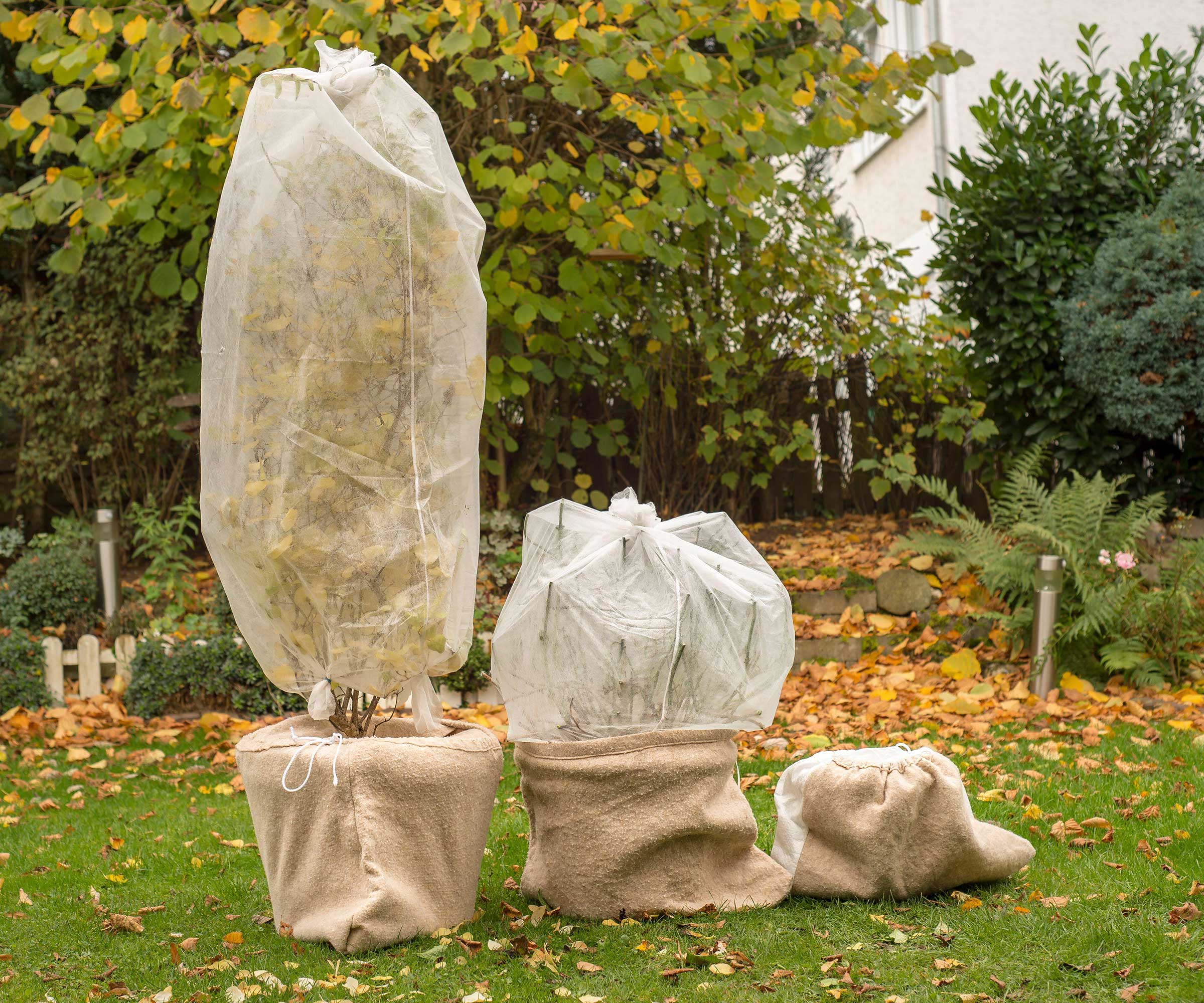
    Our Lettings Supervisor and avid gardener, Keely Watson is back with tips on how to look after your garden over winter!

    • Protect plants

    Wrap shrubs (like tree ferns, cannas, bananas, cordylines) with horticultural fleece or burlap sacks to protect them from frost.

    • Mulch borders

    Apply manure, compost, or leaf mould to insulate roots and improve soil. Worms will pull it down over winter which helps condition your soil for spring.

    • Plant bulbs

    There's still time to plant tulips (until mid-December), plus crocus, daffodils, and alliums if you haven’t already!

    • Keep a messy spot for wildlife

    Clear... Continue reading

    Our Lettings Supervisor and avid gardener, Keely Watson is back with tips on how to look after your garden over winter!

    • Protect plants

    Wrap shrubs (like tree ferns, cannas, bananas, cordylines) with horticultural fleece or burlap sacks to protect them from frost.

    • Mulch borders

    Apply manure, compost, or leaf mould to insulate roots and improve soil. Worms will pull it down over winter which helps condition your soil for spring.

    • Plant bulbs

    There's still time to plant tulips (until mid-December), plus crocus, daffodils, and alliums if you haven’t already!

    • Keep a messy spot for wildlife

    Clear fallen leaves from lawns and paths but leave a few sheltered “messy” spots for wildlife.

    • Care for tools

    Clean, oil, and sharpen tools. Store them somewhere dry to stop them from rusting! Keep any electric or petrol tools off damp floors.

    • Check pots & beds

    Make sure there's good drainage in your pots and beds to prevent waterlogging. Remove a little old compost from pots and top up with fresh.

    • Wildlife help

    Clean your bird feeders and birdbaths - the birds will help control pests next spring!

    • Plan for spring

    Order seeds early and make notes of what worked well this year.

  • Share Do you have any of these perennial plants in your garden? Follow these tips on what to do in October! on Facebook Share Do you have any of these perennial plants in your garden? Follow these tips on what to do in October! on Twitter Share Do you have any of these perennial plants in your garden? Follow these tips on what to do in October! on Linkedin Email Do you have any of these perennial plants in your garden? Follow these tips on what to do in October! link

    Do you have any of these perennial plants in your garden? Follow these tips on what to do in October!
    7 months ago

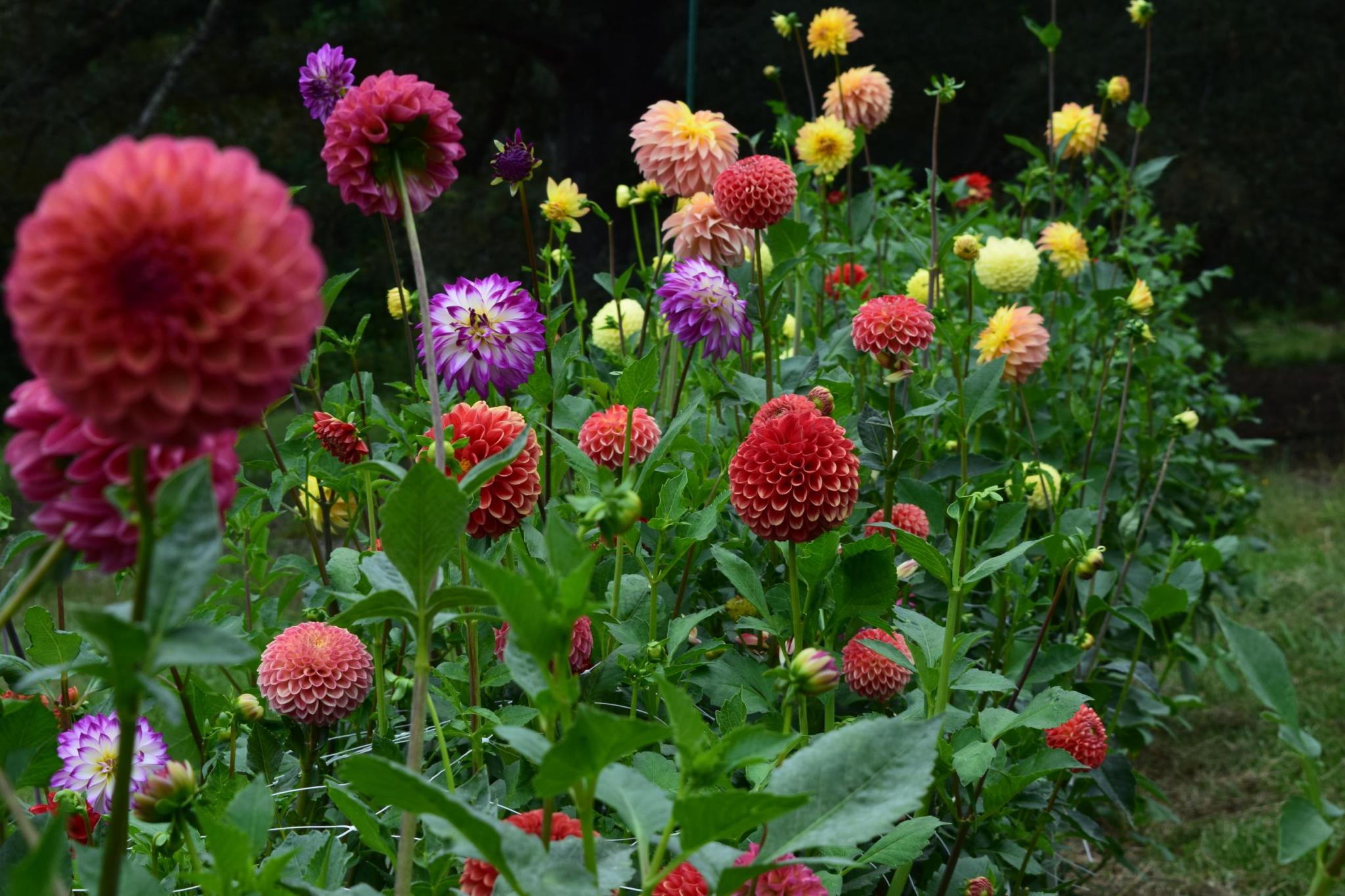
    Our Lettings Supervisor and avid gardener, Keely Watson shares her tips on how to look after your perennial plants in October!

    • Yarrow (AKA Achillea)- cut back the flower stems to the base to prevent self-seeding
    • Coneflowers (AKA Rudbeckias) – leave the flower heads on for winter to feed the birds
    • Hostas – Cut back yellowing leaves to the base of the plant
    • Peonies – prune stems to ground level to prevent botrytis (fungus)
    • Daylillies – prune stems to ground lever to prevent botrytis (fungus)
    • Monardas (AKA beebalm) – cut back the faded stems to ground level
    • Phlox – prune to... Continue reading

    Our Lettings Supervisor and avid gardener, Keely Watson shares her tips on how to look after your perennial plants in October!

    • Yarrow (AKA Achillea)- cut back the flower stems to the base to prevent self-seeding
    • Coneflowers (AKA Rudbeckias) – leave the flower heads on for winter to feed the birds
    • Hostas – Cut back yellowing leaves to the base of the plant
    • Peonies – prune stems to ground level to prevent botrytis (fungus)
    • Daylillies – prune stems to ground lever to prevent botrytis (fungus)
    • Monardas (AKA beebalm) – cut back the faded stems to ground level
    • Phlox – prune to prevent a powdery mildew
    • Gaillardia – Cut back stems to ground level
    • Dahlias – if you have wet clay soil over winter you may want to dig these up dry off any excess soil and wrap the tubers in newspaper and store in a cold dark place over winter ready to plant out again late March/early April – this will prevent the tubers from rotting over winter. The tubers may survive winter in a sandier soil. Don’t forget to add a label/colour of the flower when you’re wrapping them, so you know for next year what they are!
  • Share Tips to help you look after a new lawn on Facebook Share Tips to help you look after a new lawn on Twitter Share Tips to help you look after a new lawn on Linkedin Email Tips to help you look after a new lawn link

    Tips to help you look after a new lawn

    11 months ago

    You might have recently moved into a new-build home, or just relaid your lawn - take a look at our newly published guide to help you keep your lawn at its best and as a place you can enjoy.

    The guide includes information about what to expect from newly laid turf, tips for watering and mowing and details about how you can improve boggy lawns.

    If you live in a new-build home and continue to have issues with pooling rainwater the guide also includes step-by-step information about how we can help.


    You might have recently moved into a new-build home, or just relaid your lawn - take a look at our newly published guide to help you keep your lawn at its best and as a place you can enjoy.

    The guide includes information about what to expect from newly laid turf, tips for watering and mowing and details about how you can improve boggy lawns.

    If you live in a new-build home and continue to have issues with pooling rainwater the guide also includes step-by-step information about how we can help.


  • Share How to plant potatoes on Facebook Share How to plant potatoes on Twitter Share How to plant potatoes on Linkedin Email How to plant potatoes link

    How to plant potatoes

    about 1 year ago

    How to plant potatoes:

    1. Choose seed potatoes
      Get certified seed potatoes from a garden centre (not store-bought eating potatoes).

    2. Cut & cure (optional)
      If your seed potatoes are large, cut them into chunks with at least one or two “eyes” (sprouting points) each. Let them sit for 1–2 days to dry and “cure” before planting.

    3. Pick a sunny spot
      Find a garden bed or large container that gets at least 6 hours of sun a day.

    4. Prepare the soil
      Loosen the soil and mix in compost. Potatoes like loose, well-drained soil.

    5. Plant the potatoes
      Bury each piece about 4 inches... Continue reading

    How to plant potatoes:

    1. Choose seed potatoes
      Get certified seed potatoes from a garden centre (not store-bought eating potatoes).

    2. Cut & cure (optional)
      If your seed potatoes are large, cut them into chunks with at least one or two “eyes” (sprouting points) each. Let them sit for 1–2 days to dry and “cure” before planting.

    3. Pick a sunny spot
      Find a garden bed or large container that gets at least 6 hours of sun a day.

    4. Prepare the soil
      Loosen the soil and mix in compost. Potatoes like loose, well-drained soil.

    5. Plant the potatoes
      Bury each piece about 4 inches deep, with the eyes facing up, and space them 12 inches apart.

    6. Hill as they grow
      As the plants grow, mound soil or mulch around the base to keep the potatoes covered. Do this every few weeks.

    7. Water regularly
      Keep the soil moist but not soggy, especially once the plants start flowering.

    8. Harvest
      After the plant’s leaves turn yellow and die back (usually 10–12 weeks), gently dig up your potatoes and enjoy!

Page last updated: 02 Apr 2026, 06:56 PM